Unveiling the truth Common gambling myths and the reality behind them
The Gambler’s Fallacy Explained
One of the most pervasive myths in gambling is the gambler’s fallacy, which suggests that past events influence future outcomes in games of chance. For instance, a player might believe that after several consecutive losses in roulette, a win is imminent. This misunderstanding stems from a fundamental misapprehension of probability and randomness. In reality, each spin of the roulette wheel is independent, meaning previous outcomes do not affect future results. In the realm of gambling, many players are drawn to the idea of a non gamstop casino, believing it might alter their luck.
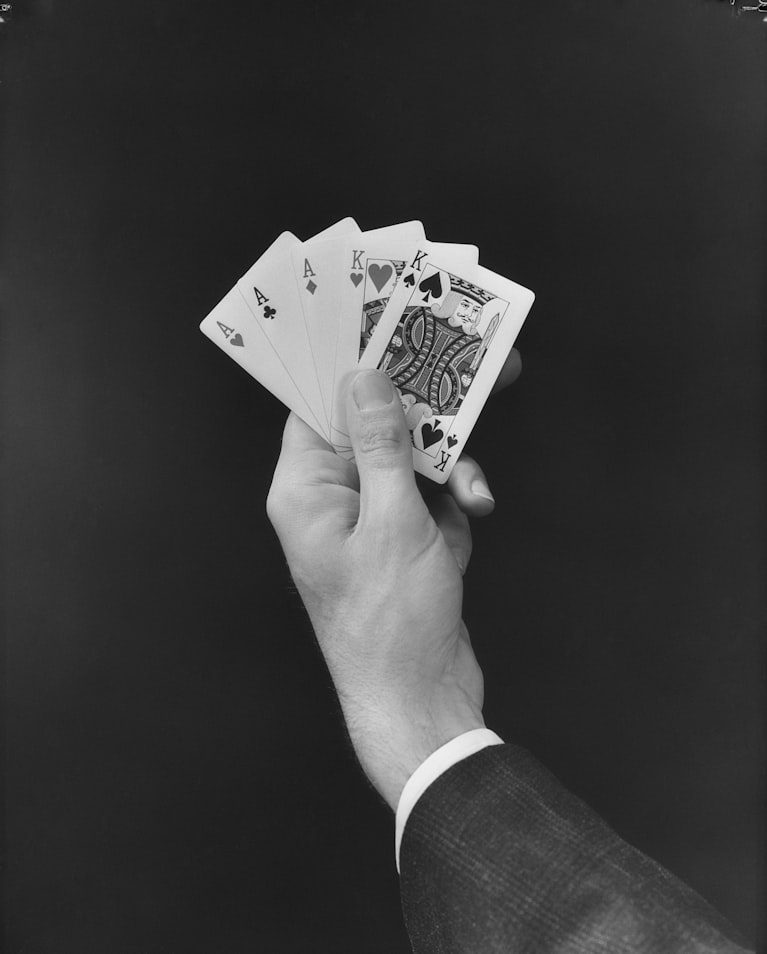
The gambler’s fallacy can lead individuals to make poor betting decisions, often resulting in increased losses. Understanding that each game operates independently can help players adopt a more rational approach to their gambling habits. This acknowledgment is crucial for maintaining a healthy relationship with gaming activities.
Myths About Skill and Strategy
Another common myth is that skill or strategy can significantly influence the outcome of games that are primarily based on chance, like slot machines or roulette. While games like poker do involve a level of skill, many players mistakenly believe they can develop strategies that will consistently lead to wins in purely luck-based games. This misconception often leads players to invest time and money in systems that offer no real advantage.
The reality is that games of chance are designed to favor the house over time, and no amount of skill or strategy can change this fundamental truth. Acknowledging this can help players approach gaming with realistic expectations, potentially reducing frustration and fostering a more enjoyable experience.
The Illusion of “Hot” and “Cold” Machines
A widespread belief among casino-goers is the notion of “hot” and “cold” machines, particularly regarding slot machines. Players often think that certain machines are due for a payout based on recent activity, leading them to chase the “hot” ones. However, slot machines operate using Random Number Generators (RNGs), ensuring that outcomes are entirely random and unpredictable.
This myth can compel players to spend excessive time and money on specific machines, hoping to hit a jackpot. In reality, each spin is an independent event, and previous results have no bearing on future spins. Understanding this can help players make informed choices and avoid the pitfalls of these misconceptions.
The Myth of Gambling Addiction as a Choice
There is a damaging myth that gambling addiction is simply a matter of poor choices or lack of self-control. This perspective overlooks the complex psychological, social, and biological factors that contribute to compulsive gambling behavior. Many individuals struggling with gambling addiction face genuine challenges that go beyond mere decision-making.
Recognizing gambling addiction as a serious condition is crucial for fostering empathy and understanding for those affected. It also highlights the importance of seeking professional help and support systems to combat this issue effectively. Dispelling this myth is vital for creating a more supportive environment for individuals facing gambling-related challenges.

Learn More About Responsible Gaming
To foster a safer gambling culture, it’s essential to stay informed about the realities of gambling and dispel common myths that can lead to negative experiences. Resources and platforms dedicated to educating players about responsible gaming practices can help mitigate misconceptions and promote healthier habits.
By seeking out trustworthy information, individuals can better navigate the complexities of gambling, ensuring they make informed decisions that prioritize their well-being. Understanding the truth behind common gambling myths can significantly enhance the overall experience and promote a culture of responsible gaming.